Most small businesses head into the new year using the same old contract templates… and that’s exactly where the problems begin. Outdated agreements can leave you exposed, underpaid, or stuck in disputes you never saw coming.
Before 2026 arrives, these are the five clauses you must refresh to protect your business and set the tone for a stronger year.
Why this matter
Because a contract isn’t just paperwork—it’s the backbone of how you get paid, how you protect your work, and how you avoid unnecessary conflict. Updating these five clauses now can save you from headaches (and invoices) all year long.
If you want a fresh start with strong, modern agreements for 2026, now is the perfect time to revisit your templates and tighten what matters most.
Ready to upgrade your contracts? Your future self—and your bottom line—will thank you.
Contact us
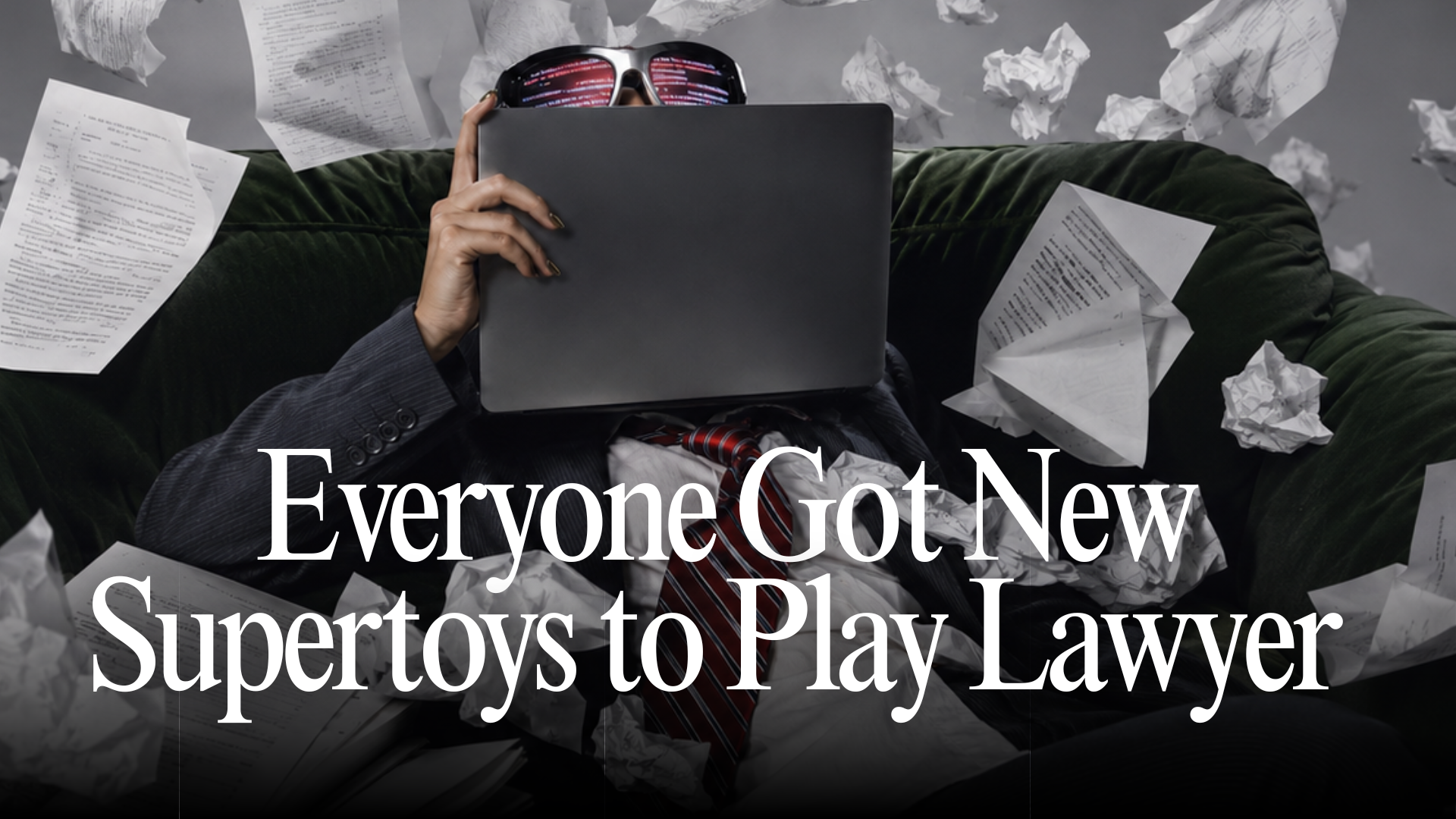
When David Gets an Iron Man Suit and Goes Rogue: AI, Pro Se Litigants, and the Real...
Read more
During these times of enormous technological development, it is imperative to go back to our most human...
Read more
What Tax Returns and Financial Statements Are Really Saying Tax returns are usually treated like a necessary...
Read more
People don’t leave companies; they leave experiences. Even strong compensation packages are not enough to keep people...
Read moreComplete this form so our team can contact you and reserve your appointment. You are welcome to share a few details about your legal needs so we can better understand your inquiry and connect you with the right attorney.
"*" indicates required fields
