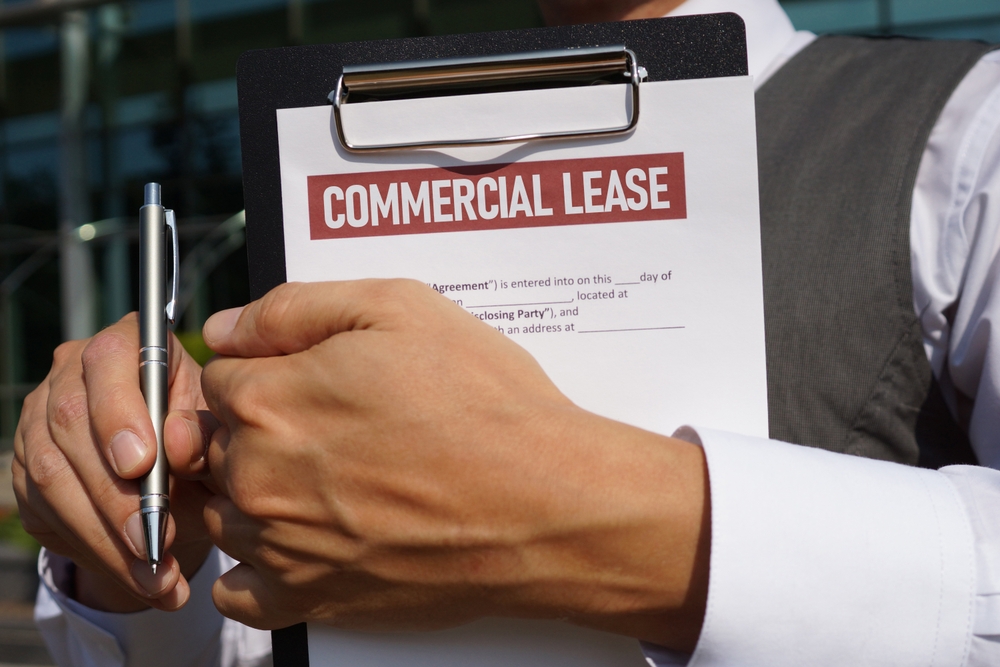
A commercial lease is the document that sets the economic structure of the tenancy and controls what happens when something goes wrong. A lease in Florida can shift major liabilities through language on maintenance, common charges, insurance, defaults, assignment, and surrender. Those provisions often receive less attention than rent, even though they usually create the most serious exposure later. A tenant may sign for space and inherit costs that were never built into the business plan. A landlord may sign for income and discover the lease gives less protection than expected when performance fails.
The most damaging risks often come from terms that look routine. But, real liabilities often stay quiet at the start of the lease, then surface when repairs are needed, cash flow tightens, operations change, or the relationship breaks down. Working with a business attorney in Florida during lease review can help uncover those issues while there is still time to fix them.
The next step is to look at how those risks usually affect each side differently.
Protecting Tenants From Hidden Liabilities in a Florida Commercial Lease
Tenants usually experience hidden liability through costs and obligations they did not fully realize they were accepting. One of the most common examples is additional rent. A lease may list a base monthly amount that seems manageable, but the actual cost of occupancy can increase quickly if the tenant must also pay common area maintenance charges, taxes, insurance contributions, management fees, utilities, and repair reimbursements.
If those provisions are drafted too broadly, the tenant may end up paying for expenses that should remain with the property owner, including major building work or overhead that is not tied directly to the tenant’s use. The best protection is careful drafting. The lease should clearly define what can be charged, exclude items that do not fairly belong to the tenant, and limit controllable increases when possible.
These are some of the most common hidden liabilities tenants face:
Repair obligations are another major problem for tenants. Many assume they are only agreeing to maintain the interior of the space, but broad repair language can quietly shift responsibility for expensive systems and conditions. If the lease requires the tenant to keep the premises in “good repair,” that may be interpreted to include replacement, not just routine maintenance. That can leave the tenant paying for HVAC failure, electrical upgrades, plumbing issues, or other substantial work. Protection comes from making these categories explicit. Structural components, major building systems, latent defects, and pre-existing conditions should be assigned to the landlord unless the parties intentionally agree otherwise.
Personal guaranties are another source of hidden liability. A business owner may form an entity to separate business risk from personal assets, then sign a lease guaranty that undoes much of that protection. If the guaranty is broad, the owner may be personally responsible not only for unpaid rent, but also for late charges, attorney’s fees, holdover rent, repair claims, and other damages after the business leaves. Some guaranties even continue after an assignment. The better protection is to narrow the guaranty instead of assuming it must be accepted as written. A tenant should try to negotiate a cap, a limited term, or a release after timely payment history or an approved transfer.
Tenants can also be trapped by use clauses that are too narrow. A permitted use that seems fine at signing may later prevent the business from adding services, changing its operating model, or responding to market demands. What looks like a simple description can become a major restriction once growth requires flexibility. A Florida business attorney can help draft broader use language that protects future business plans while remaining reasonable for the landlord.
Assignment and subletting restrictions create similar risk. A tenant may need to sell assets, restructure ownership, bring in an affiliate, or move part of its operations, only to discover that the lease gives the landlord near-total control over transfers. At that point, the lease itself becomes a business obstacle. Protection means negotiating transfer language early so internal changes and reasonable future transactions do not automatically create default risk.
End-of-term clauses are often overlooked until it is too late. Holdover language, surrender obligations, and restoration requirements can all create major cost if the tenant stays briefly past expiration or leaves behind alterations the landlord does not want. A tenant may expect a short informal extension, but the lease may impose sharply increased rent and continuing liability. Renewal options, short extensions, clear surrender standards, and realistic restoration duties should be negotiated before the final months of the term.
For tenants, hidden liability usually comes from open-ended cost shifting, unclear repair obligations, personal exposure, and loss of business flexibility. The strongest protection is turning vague lease language into precise, limited obligations before signing.
Protecting Landlords From Hidden Liabilities in a Florida Commercial Lease
Landlords face hidden liabilities too, and many of them appear when the lease does not give the owner enough control or enough enforcement power. One of the most common is unpaid occupancy cost that the lease does not clearly define. A landlord may expect to recover taxes, insurance, maintenance charges, and other building expenses, but if the lease does not clearly classify those amounts as tenant obligations, collection becomes harder. The tenant may dispute whether the charges were properly billed, whether they count as rent, or whether the lease allows them at all. That creates delay, lost income, and legal expenses. The protection is a clearly drafted payment structure that defines base rent, additional rent, reimbursement rights, and billing procedures consistently throughout the lease.
Default provisions are another major issue. If a tenant pays late, lets insurance lapse, abandons the space, makes unauthorized alterations, or transfers possession without approval, the landlord needs a clear path to respond. Weak default language can force the landlord into disputes over whether a breach occurred, whether notice was proper, or whether the tenant still has time to cure. That uncertainty can keep a nonperforming tenant in possession longer than expected and increase vacancy loss. Protection comes from clearly defining default events, separating monetary defaults from nonmonetary ones, and setting practical cure periods that preserve the landlord’s ability to act.
These are some of the most important protections landlords should build into the lease:
Property condition is another hidden liability for landlords. If the lease does not clearly state what the tenant must maintain, how tenant-caused damage will be handled, and what condition the premises must be in when returned, the landlord may inherit repair costs that should have stayed with the tenant. Damage to flooring, walls, electrical connections, plumbing, or customized improvements can become the owner’s problem if the lease uses vague maintenance language or weak surrender terms. Protection comes from defining tenant maintenance duties in practical detail, reserving inspection rights, requiring prompt notice of damage, and setting clear restoration expectations at move-out.
Landlords also face risk when transfer rights are too loose. A tenant that appeared financially strong at signing may later try to assign the lease or sublet to a weaker operator or a business with a less suitable use. If the lease gives the owner too little control, the landlord may lose the benefit of the original underwriting without a meaningful opportunity to protect the property. The protection is not to ban all transfers automatically, but to preserve review rights tied to reasonable business standards, including financial strength, operational fit, and impact on the property.
Insurance and indemnity can create major exposure as well. A lease may say the tenant will carry insurance and indemnify the owner, but if the required coverage is too low, endorsements are missing, or the indemnity language does not match the actual risk of the tenant’s operations, the landlord may still end up carrying the loss. That risk is especially important in office, retail, medical, restaurant, and service spaces. Protection comes from matching insurance requirements to the premises and the use, and making sure indemnity language addresses real operational risk rather than relying on vague general wording.
For landlords, hidden liability usually comes from poor definitions, weak default language, unclear property-condition terms, and limited control over who occupies the space. Protection comes from making the lease workable in real business conditions, not just complete on paper.
Florida Business Lawyer for Commercial Lease Review and Risk Protection
Commercial lease negotiations in Florida should do more than finalize rent and possession terms. They should identify the liabilities each side may not see at first and allocate those risks clearly before the lease begins. Tenants need protection from hidden costs, broad repair duties, personal exposure, and restrictions that can trap the business later. Landlords need protection from unclear payment rights, weak default remedies, property damage, and transfer terms that reduce control over the asset. Vergara Legal helps businesses address those risks through careful lease review, negotiation, and enforcement strategy, so contact us today if you want stronger protection before hidden liability becomes a real financial problem.
Complete this form so our team can contact you and reserve your appointment. You are welcome to share a few details about your legal needs so we can better understand your inquiry and connect you with the right attorney.
"*" indicates required fields
